About the photographs

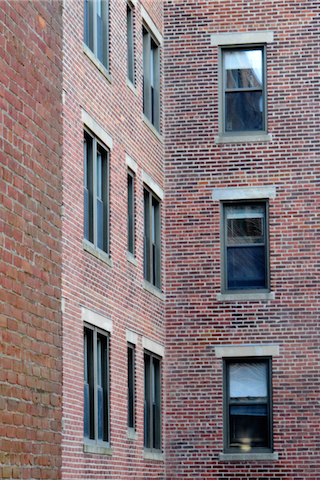
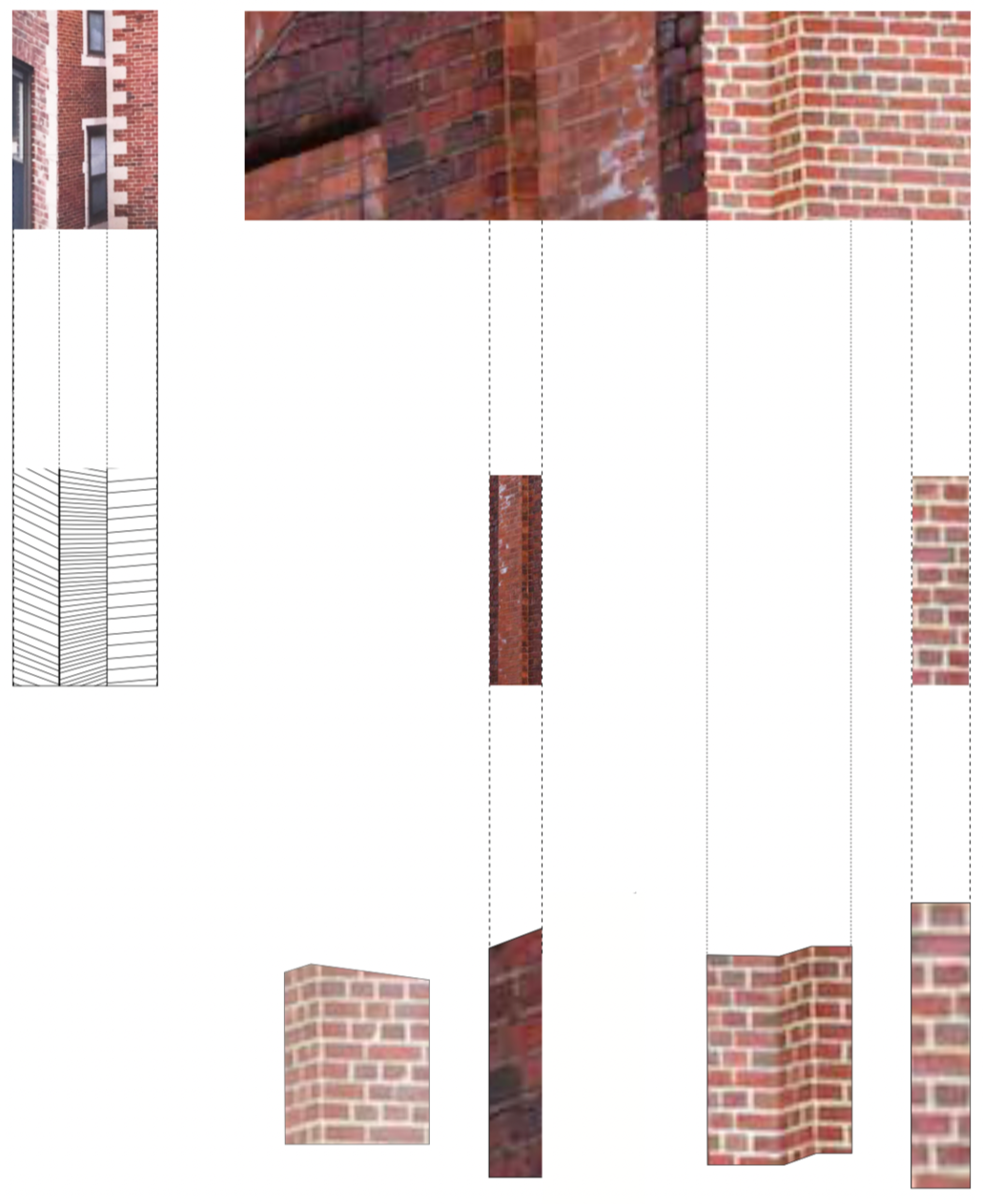
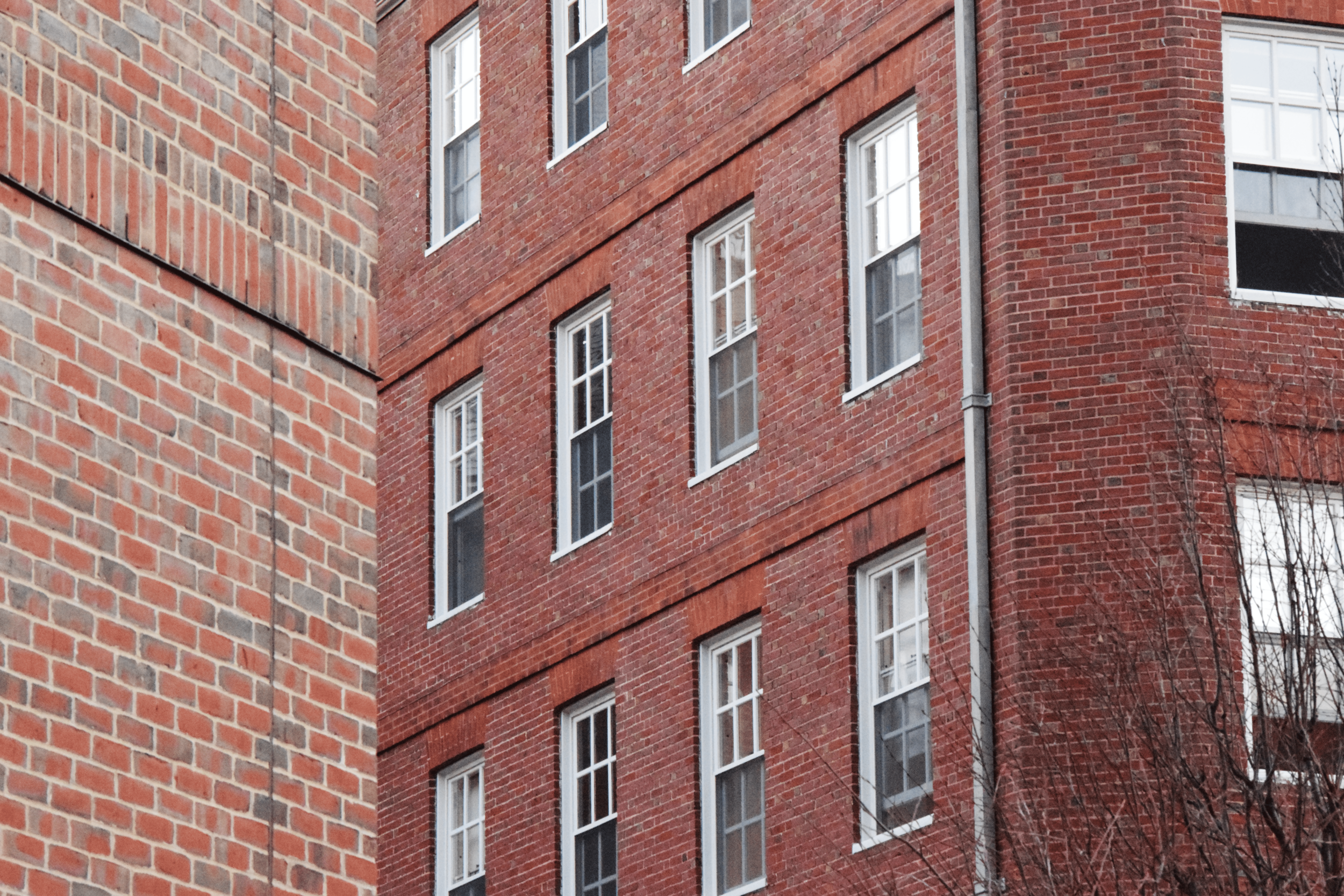
In this project, photographs were produced under a set of strict compositional rules: each image must contain at least two separate buildings, their facades must visually overlap, and all non-brick materials must be excluded from the frame. These constraints transform the city into a field of selective material perception, where brick becomes both subject and organizing system.

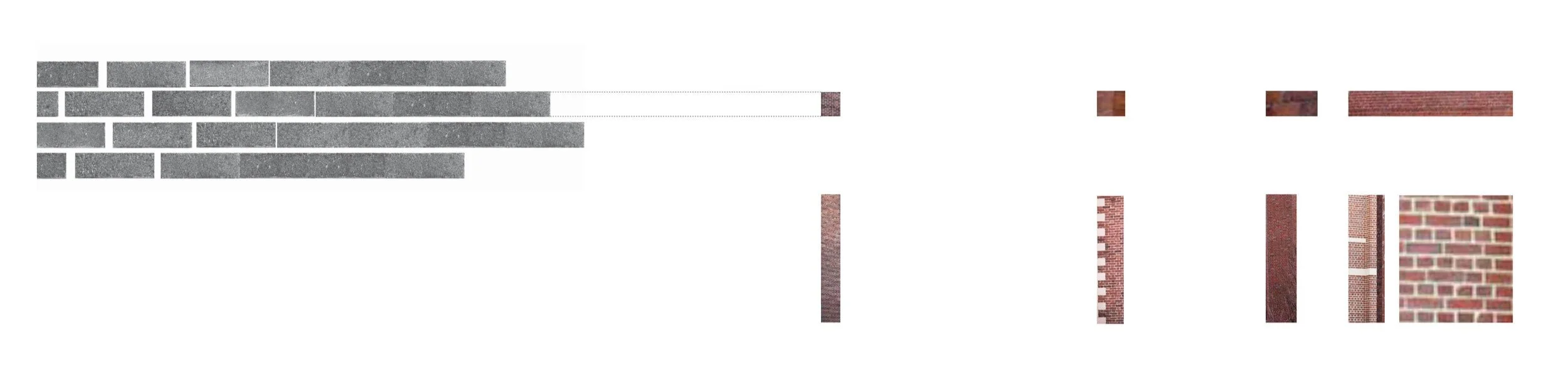
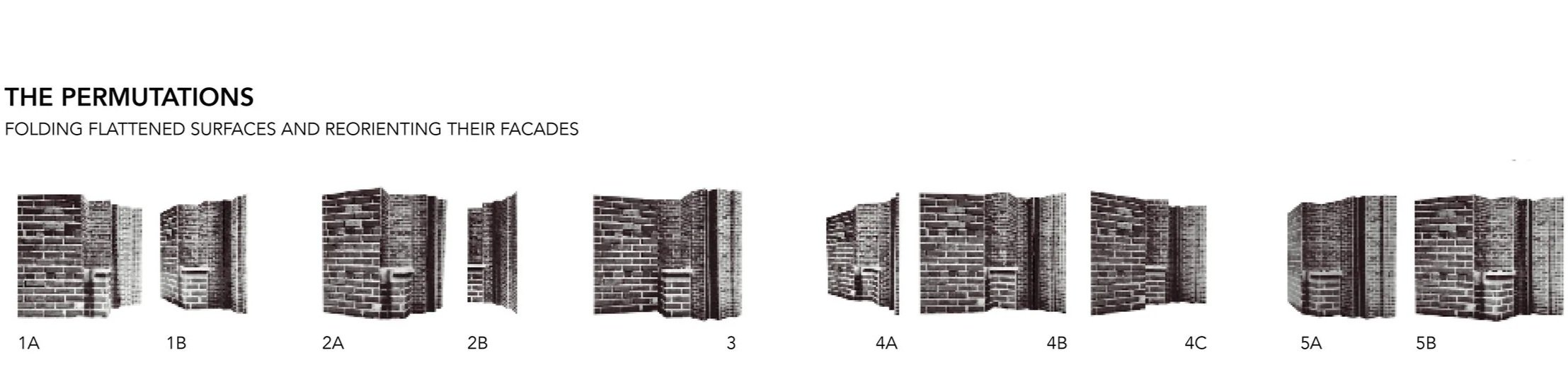
Through repetition and adjacency, brick facades begin to lose their objecthood and instead behave as continuous horizontal strata. Because bricks are laid in horizontal courses, they visually merge across distance, producing a layered field effect. These facades can then be abstracted into flight lines that flatten depth and destabilize architectural hierarchy. The resulting images produce a perceptual ambiguity in which separate buildings read as continuous material surfaces.
 

Mapping Strategy

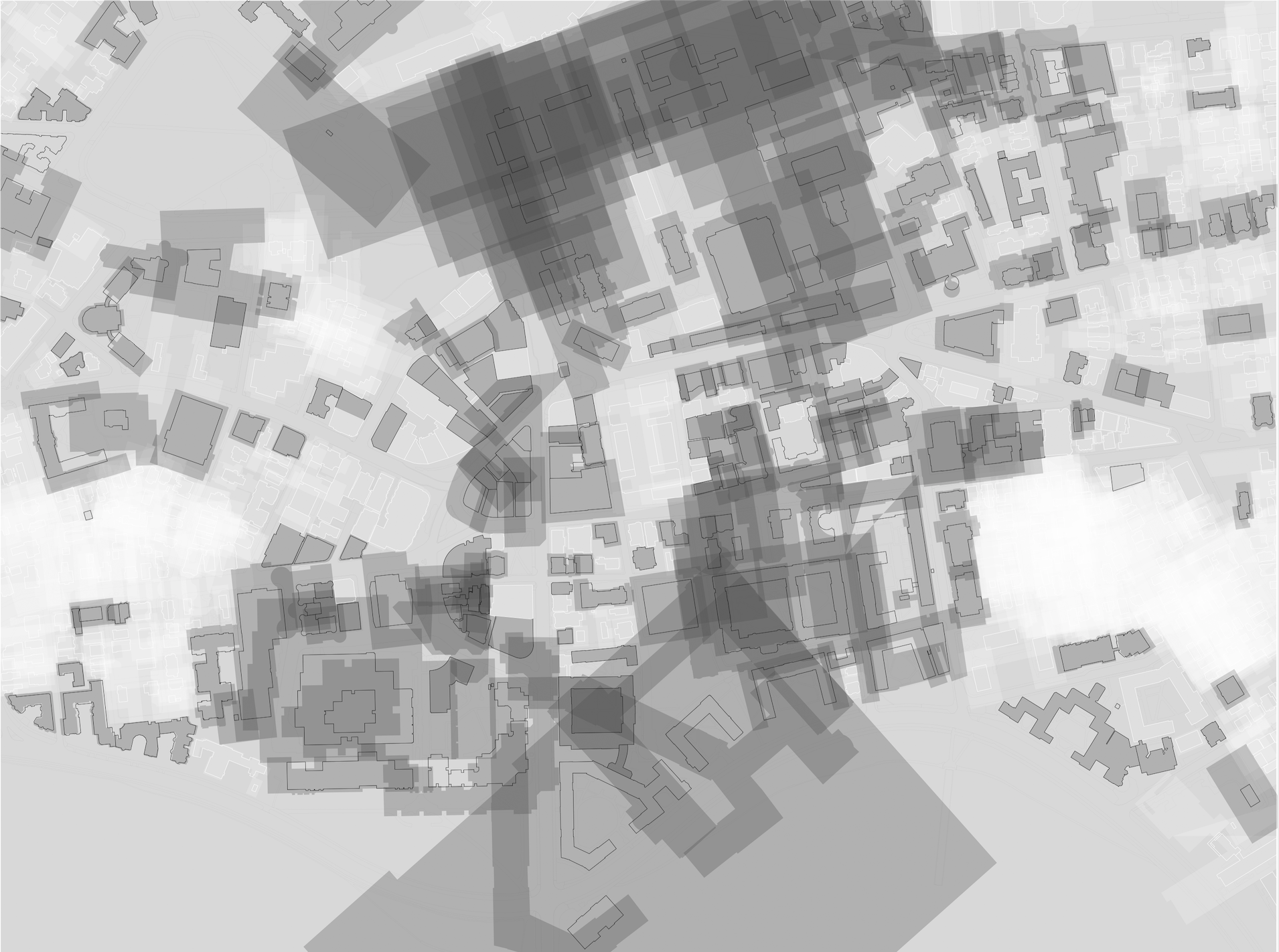
A diagrammatic map of Cambridge was produced to locate concentrations of brick architecture. Areas of higher brick density were shaded more darkly, revealing an urban distribution of material uniformity.

Each brick building was recorded as a footprint on this map. These footprints were then systematically expanded until they intersected with adjacent non-brick buildings. This operation established intentional zones of overlap, which became the source field for photographic study. The map thus functioned not only as index, but as generative tool for constructing perspectival collisions.

Across the photographic series, brick operates as a unifying surface condition within the city. Despite differences in scale, program, and architectural style, brick facades visually collapse into a shared horizontal rhythm. This creates a paradoxical effect: individual buildings lose specificity while the aggregate field gains coherence.

Red brick, in particular, produces a visual continuity that extends beyond individual structures. It acts as a chromatic and material constant that binds disparate architectural objects into a single perceptual system.


The Photographs